In my country's distribution network system, low-voltage station areas have always been the "connectors" between the main network and thousands of households. last mile ". However, it is this last distance that has been under the dual pressure of power supply quality and new energy consumption for a long time. Especially in rural areas, old urban areas and areas with high penetration of distributed photovoltaics, voltage drops, three-phase imbalance, Distribution transformer overload Problems such as these have become increasingly prominent and have become the core bottleneck restricting power supply reliability and power quality.
The traditional response idea - power distribution capacity expansion and transformation, not only has a lengthy approval process and a long construction period, but also has a low utilization rate of equipment for seasonal and periodic loads, making it difficult to adapt to the current rapidly changing power consumption pattern. In this context, a more flexible and economical solution has entered the industry's field of vision, that is Taiwan energy storage .
Three major pain points force technology to break through
The root causes of problems in the Taiwan area can be attributed to three typical scenarios:
Low voltage problem: The power supply radius is long and the wire diameter is thin. The voltage drop at the end is significant during the peak load period, and the voltage easily falls below the allowable range of the national standard (the voltage deviation requirement of 220V single-phase power supply is +7%/-10%). The air conditioners in residents' homes cannot be started and the lights are dim, which has become a frequent cause of complaints.
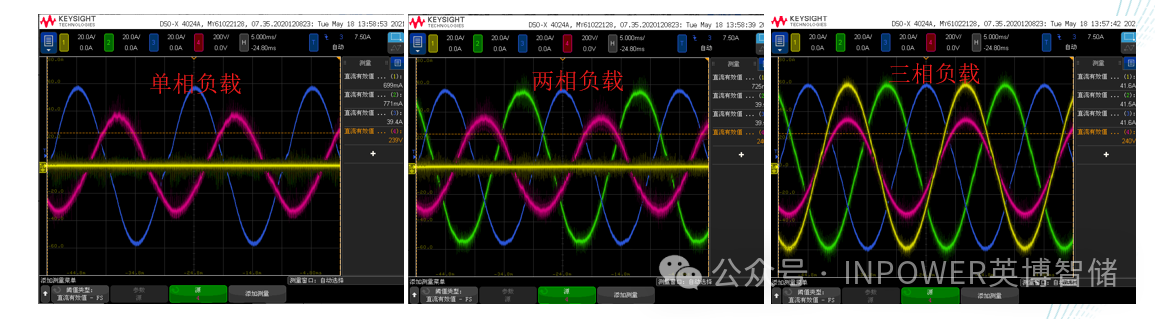
Three-phase unbalance: A large number of single-phase loads and single-phase photovoltaics are connected out of order, resulting in serious unevenness of the three-phase current in the Taiwan area. Traditional management methods can only cover about 30% of the unbalanced load, and the remaining part is converted into increased line losses and accelerated equipment aging, which damages both economy and safety.
Distribution transformer heavy overload: With the popularization of electric vehicle charging piles and the increase in the power of household appliances, the "distributed photovoltaic power generation" generated at noon is superimposed. buck the trend ", the transformer is positive, Reverse overload Risks coexist, and the reverse load rate sometimes exceeds 80%, threatening the safe operation of the equipment.
Faced with these thorny problems, energy storage in Taiwan has become a precise " flexible scalpel "
Policy setting: from auxiliary consumption to grid replacement
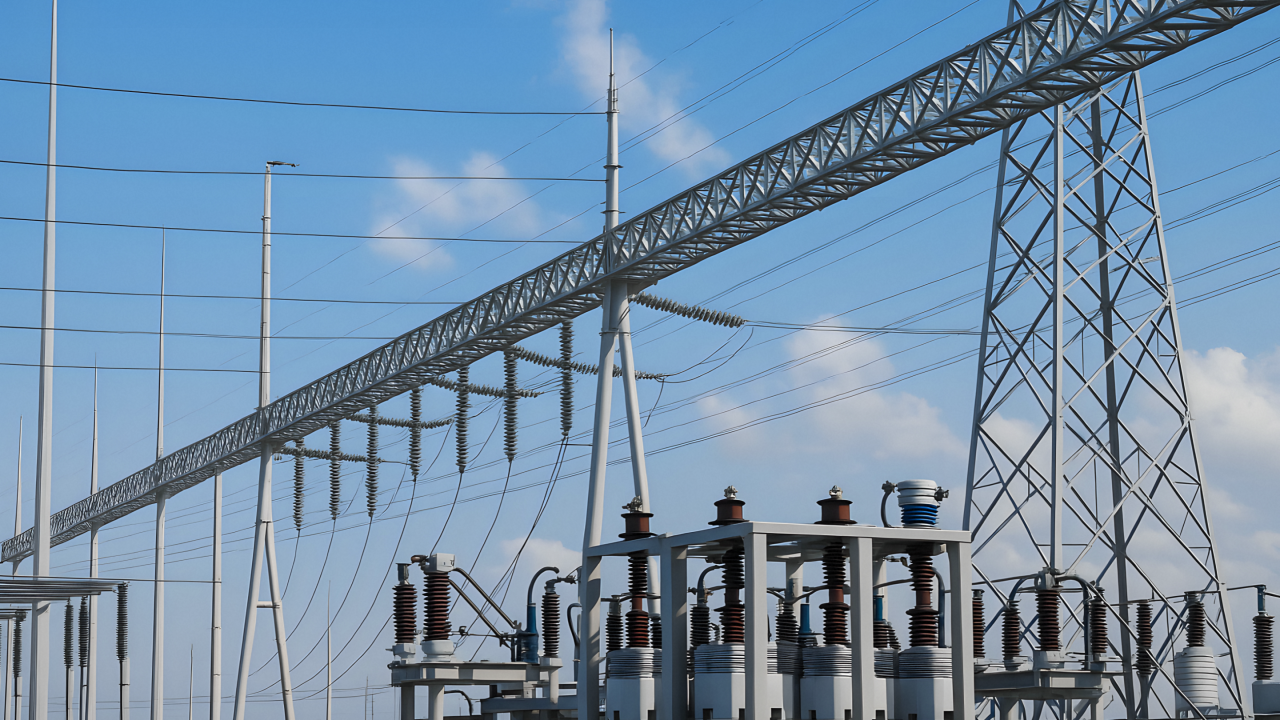
By the end of 2025, the industry positioning of energy storage in Taiwan will undergo a fundamental change. At the national level, it was officially included in the key tasks of high-quality development of the power grid with Document No. 1710, and it was given the " Grid replacement energy storage ” strategic identity. This means that energy storage in Taiwan is no longer just an auxiliary means to promote new energy consumption, but is regarded as an active infrastructure that can effectively replace traditional power grid construction and renovation projects.
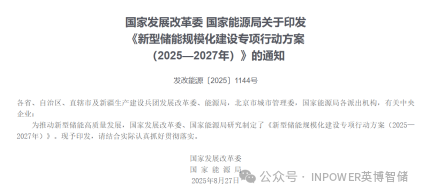
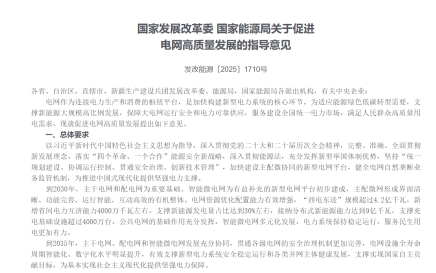
The policy clearly encourages priority promotion in areas where distribution network expansion is limited or in remote areas, with a view to improving the power supply security capabilities of weak links at lower costs and with higher efficiency. According to industry estimates, compared with traditional transformer capacity expansion or line upgrade solutions, the comprehensive investment cost of energy storage in Taiwan can be reduced by more than 70%, indicating huge market potential.
Technical core: the four-quadrant capabilities behind precise adjustment
Although the energy storage system in Taiwan is composed of common modules such as PCS (energy storage converter), battery, and EMS (energy management system), its operating logic is essentially different from that of industrial and commercial energy storage. The core difference is that it does not simply charge and discharge according to a fixed period, but based on the real-time power grid status, through the four-quadrant power regulation capability of the PCS, it dynamically intervenes in indicators such as voltage, power flow, and imbalance.
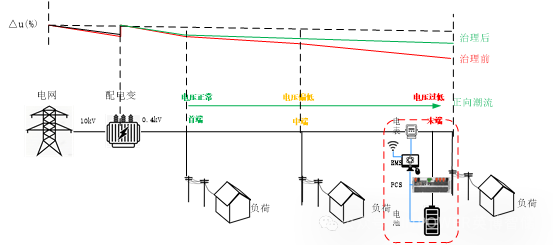
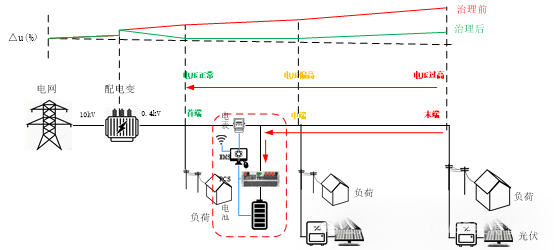
Taking terminal low-voltage control as an example, the working process of the system is as follows: when the voltage of the monitoring point is lower than the set threshold (such as 210V), the energy storage system immediately switches to the discharge mode and injects active power into the station area, which is equivalent to adding a local power supply at the terminal to directly compensate for the line voltage drop; at the same time, the PCS can also output capacitive reactive power to offset the additional voltage drop caused by inductive reactive power, further stabilizing the voltage. Before the load peak comes, the system stores electricity in advance and releases it during peak hours, which has the effect of "dynamic capacity increase" and avoids voltage drops from the source.
Access and control strategies tailored to local conditions
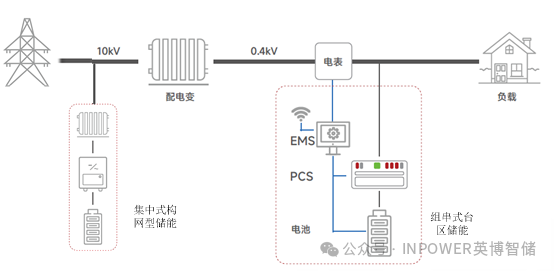
The access method of energy storage in Taiwan is not static. When dealing with terminal low-voltage problems, energy storage equipment should be deployed nearby at the load end or at directional management points; when dealing with regional reverse overload and overvoltage problems caused by distributed photovoltaics, it is more suitable to be deployed centrally at the head end of power distribution. Regardless of the method, its operation control must collect voltage and current signals in the station area in real time, and issue instructions through EMS or intelligent terminals to achieve intelligent adjustment based on actual power flow, rather than empirical timing strategies.
It is worth noting that there are a large number of single-phase loads and single-phase photovoltaics in the Taiwan area, and power quality problems often only occur in a certain phase. Therefore, the PCS suitable for Taiwan must adopt a three-phase four-wire topology and have the ability to independently control active and reactive power for each phase. InBev's unique four-arm topology shows superior performance in this regard and can accurately manage complex problems such as three-phase unbalance and terminal low voltage.
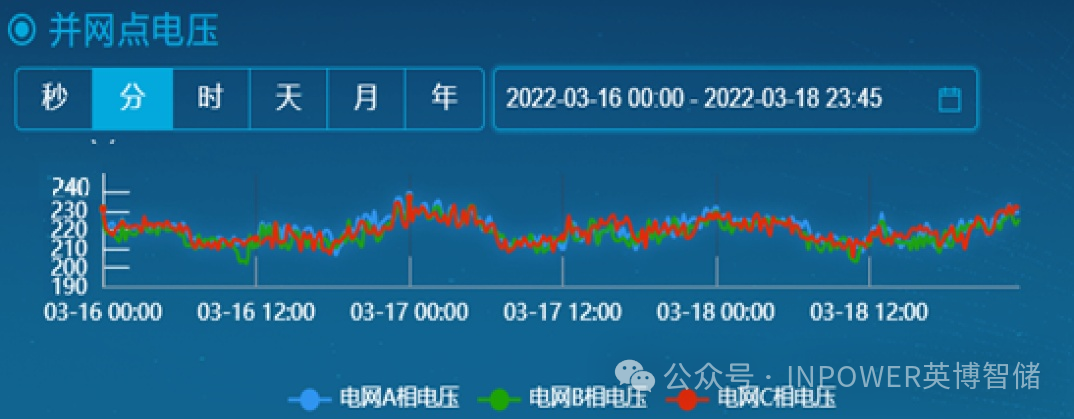
before governance
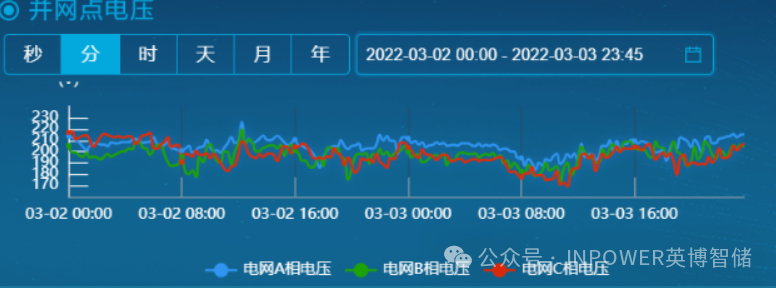
After governance
From single governance to diverse collaboration
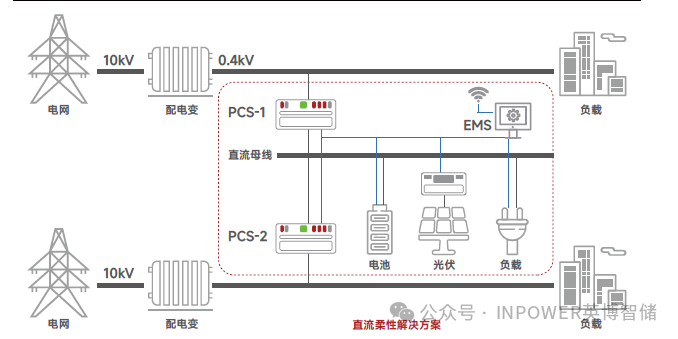
The role of energy storage in Taiwan is still expanding. Currently, a variety of comprehensive management models have been derived such as flexible interconnection in Taiwan, seamless off-grid switching to maintain power, and collaboration with 10kV centralized energy storage. These new applications not only improve the power supply reliability and anti-disturbance capabilities of the Taiwan District, but also lay the foundation for the flexible interaction between the future distribution network and the main network.
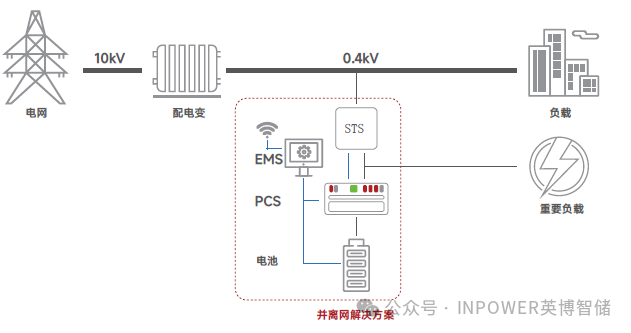
Seamless switch between on-grid and off-grid applications to ensure power supply
All in all, this distribution network's " flexible scalpel ” is reshaping the peripheral nerves of the power system through decentralized deployment and collaborative interaction. It is not only a solution to the current " red zone "One of the keys to the dilemma is also an indispensable cornerstone in building a new power system with high resilience, high elasticity, and high interactivity. This happened in the distribution network" last mile "The transformation is opening up a new energy era for us.


