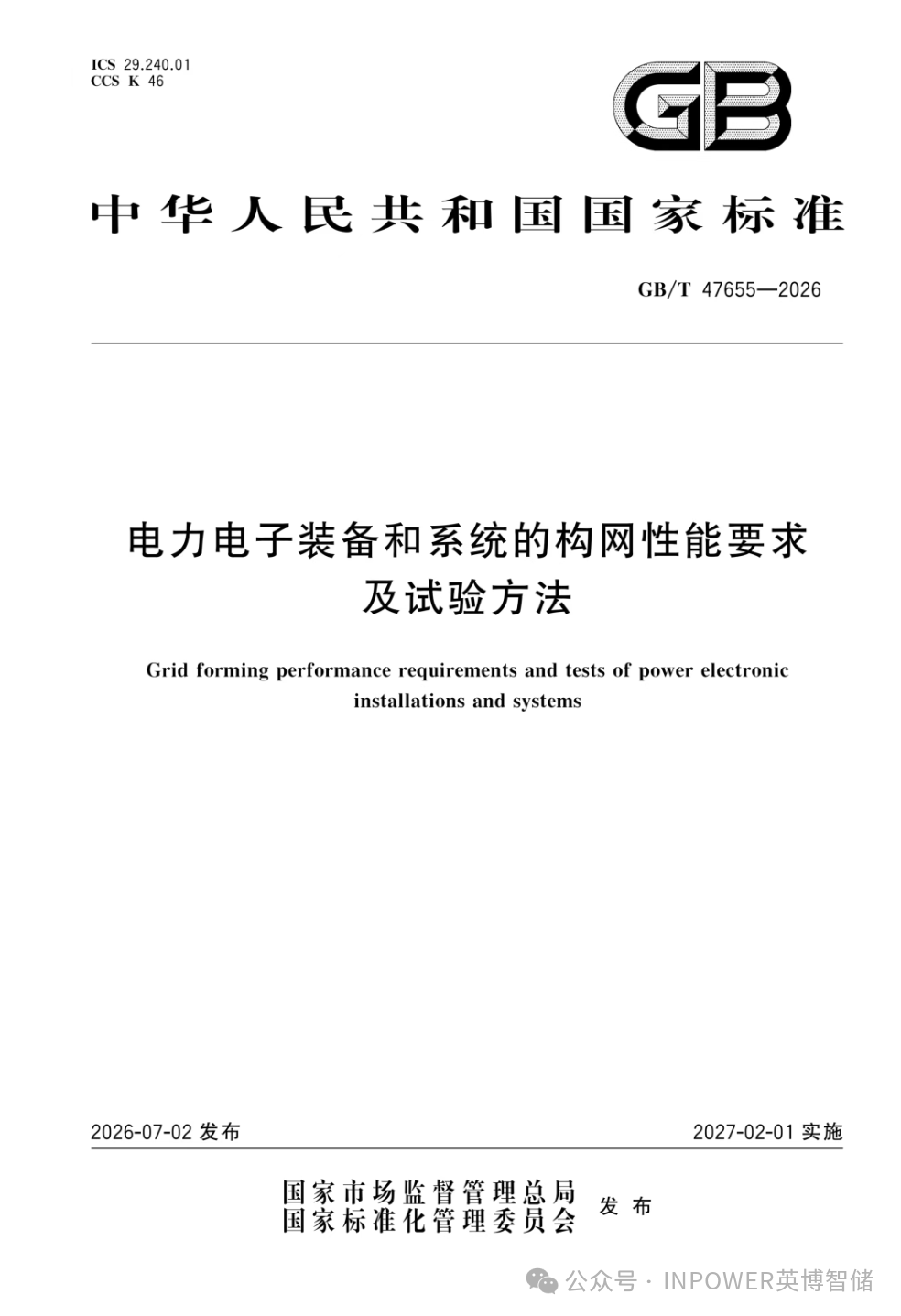
Traditional grid-connected PCS mainly relies on the power grid to provide voltage and frequency benchmarks.
Simply put, it's more like " Follow the grid ".
But when the proportion of new energy continues to increase and the strength of the power grid decreases, only " follow "It has been difficult to meet the stable operation needs of complex power systems.
The network-type PCS can actively establish voltage and frequency references through control strategies, providing the power grid with support capabilities similar to traditional synchronous machines.
This means: energy storage is no longer just about electricity. Porter ”, and began to become an important supporter of the stable operation of the power grid. 02Can network-based PCS solve it? The core value of networking technology is reflected in “ stable "and" Fast ".
1 Actively support voltage and frequency
Through grid control technologies such as VSG, PCS can simulate the inertia and damping characteristics of traditional synchronous generators and actively provide support when disturbances occur in the power grid.
When new energy output fluctuates or loads change, energy storage can quickly adjust power and help stabilize system voltage and frequency.
2 Coping with weak grid and off-grid scenarios
In new energy bases, remote areas, microgrids, and some industrial scenarios, the strength of the grid may be weak, and there may even be a need for off-grid operation.
Network-based PCS can actively establish voltage and frequency support to enhance the system's operating capabilities in weak network and off-grid environments.
3. Improve new energy consumption capabilities
When the output fluctuations of wind and solar and other new energy sources intensify, energy storage can quickly respond to power changes.
Through network-type control, energy storage can not only regulate energy, but also further assume the function of stabilizing the power grid, providing more reliable technical support for high-proportion new energy access.
03 In the era of network construction, why is PCS becoming more and more important?
The core of network-based energy storage is not just to add a " GFM function ".
The real ability to build a network is tested by PCS hardware performance + control algorithm + system-level collaboration capability .
This also means that in the future, competition in energy storage products will gradually shift from pure competition in power and efficiency to more comprehensive competition in system capabilities.
For PCS companies, whether the network can be constructed, whether the network is stable or not, and whether it can be flexibly switched in different scenarios are becoming increasingly important technical indicators.
04InBev Intelligent Storage: From PCS to system-level network construction capabilities As a professional provider of energy storage converters and smart energy solutions, InBev Intelligent Storage continues to deploy network-based energy storage technology.
At present, InBev Intelligent Storage has formed a network-based PCS product matrix covering different application scenarios.
InBev Intelligent Storage Centralized PCS Supports online switching between GFM network construction mode and GFL network following mode, and has VSG , VF , PQ and other operating modes, simultaneously supporting High and low voltage ride-through , Continuous fault wear More and more black boot and other functions, which can be adapted to large-scale energy storage and complex power grid application scenarios.
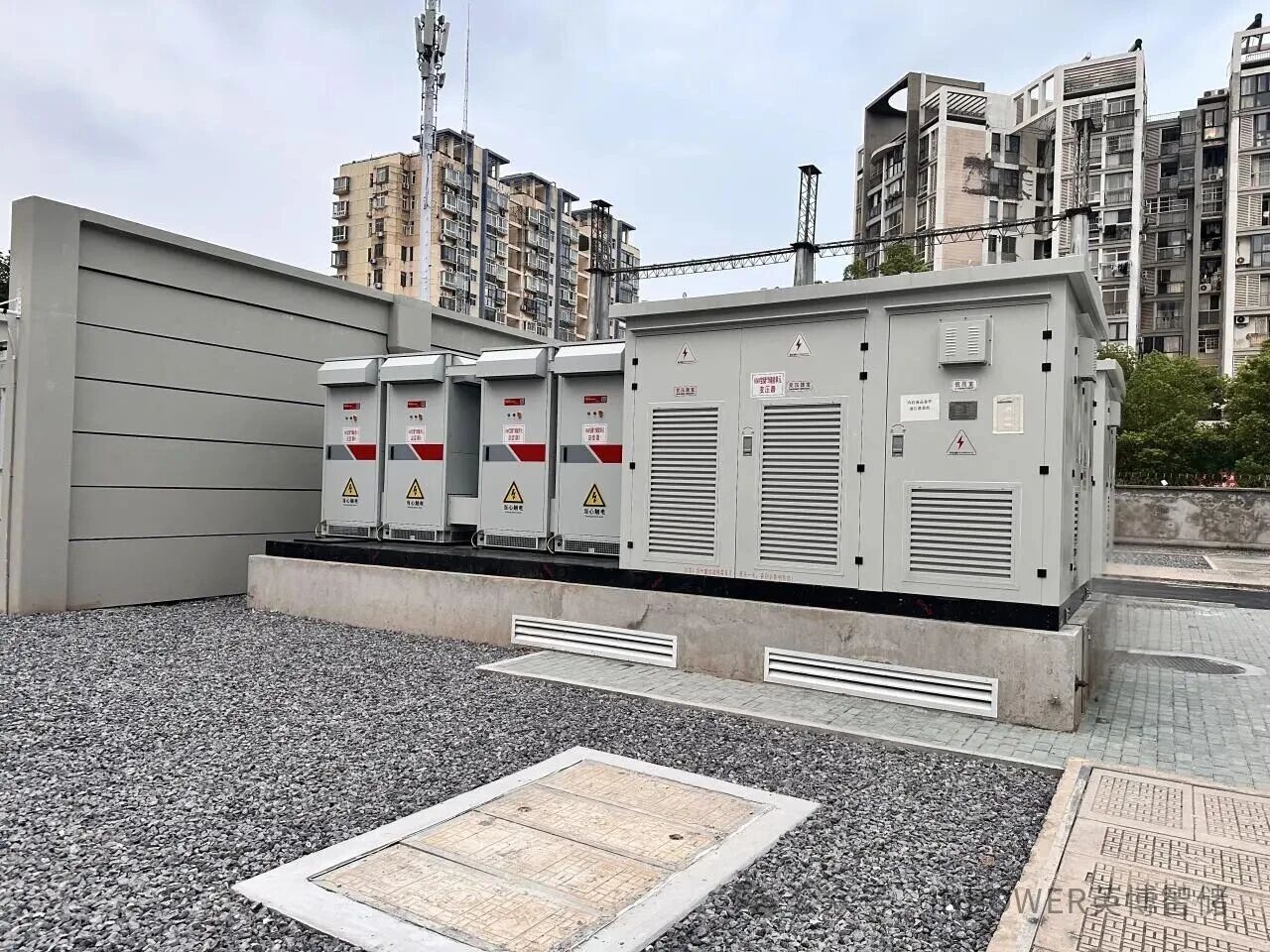
In terms of string products, InBev Intelligent Storage 450kW string PCS Have the ability to actively build networks and support Multiple off-grid parallel machines , adaptable Weak network , Chai Fa , Off grid and other application scenarios.
From industrial and commercial energy storage, microgrids, diesel storage and other scenarios, to new energy distribution and storage, to large-scale energy storage power stations, InBev Intelligent Storage is using PCS technology and system control capabilities to provide more flexible and reliable energy storage solutions for different scenarios.
05 Networking type is not just a “new function” From " Follow the net "to" Networking ” seems to be just a change in the PCS control method, but behind it is an upgrade in the role of energy storage.
Future energy storage systems must not only be able to " electricity storage ”, but also to be able to: Stabilize the power grid , Support new energy , Improve system resilience .
As the construction of new power systems continues to advance, networked energy storage is expected to play greater value in scenarios such as new energy bases, independent energy storage, microgrids, weak grids, and highly reliable power supply.
For energy storage companies, this is both a technical challenge and a new development opportunity.
InBev Intelligent Storage, with PCS as its core, continues to develop network-based energy storage technology, making energy storage from " followers "Towards" active supporter ".
In the future, InBev Intelligent Storage will continue to promote the upgrading of energy storage applications with technological innovation and provide more secure, efficient and reliable energy solutions for the construction of new power systems.